


TALVEY logo

INDICATION AND USAGE

TALVEY® (talquetamab-tgvs) is indicated for the treatment of adult patients with relapsed or refractory multiple myeloma who have received at least four prior lines of therapy, including a proteasome inhibitor, an immunomodulatory agent, and an anti-CD38 monoclonal antibody.

This indication is approved under accelerated approval based on response rate and durability of response. Continued approval for this indication may be contingent upon verification and description of clinical benefit in a confirmatory trial(s).

KOL Headshot

M. Yair Levy, MD

Texas Oncology-Baylor Charles A. Sammons Cancer Center

Medical Oncologist/Hematologist

Dallas, TX

Dr M. Yair Levy is a paid consultant of Johnson & Johnson.
M. Yair Levy, MD is a paid consultant of Johnson & Johnson.
When reviewing the primary and long-term efficacy data from the MonumenTAL-1 clinical trial, I was pleased to see the number of patients that experienced responses at 5th line therapy and all being triple-class exposed as well as some patients having prior T-cell redirection therapy. This is why I prefer to prescribe TALVEY® to my adult patients with relapsed or refractory multiple myeloma, and I encourage you to review the efficacy data as you evaluate the needs of your patients, as well.

Safety Profile

See the data

Arrow Image

Access and Support

Explore the available resources

Arrow Image

Dosing Flexibility

Discover the dosing schedule

Arrow Image

Mechanism of Action

Learn more about the mechanism of action

Arrow Image
KOL Headshot KOL Headshot

When reviewing the primary and long-term efficacy data from the MonumenTAL-1 clinical trial, I was pleased to see the number of patients that experienced responses at 5th line therapy and all being triple-class exposed as well as some patients having prior T-cell redirection therapy. This is why I prefer to prescribe TALVEY® to my adult patients with relapsed or refractory multiple myeloma, and I encourage you to review the efficacy data as you evaluate the needs of your patients, as well.

Texas Oncology-Baylor Charles A. Sammons Cancer Center

Medical Oncologist/Hematologist

Dallas, TX

Dr M. Yair Levy is a paid consultant for Johnson & Johnson.

MonumenTAL-1 Trial: A Brief Overview

MonumenTAL-1 trial design: The efficacy of TALVEY® as a single agent was evaluated in 219 patients with relapsed or refractory multiple myeloma in the single-arm, open-label, multicenter, phase 1/2 MonumenTAL-1 trial. The trial included patients who had received ≥3 prior systemic therapies, including a proteasome inhibitor, an immunomodulatory agent, and an anti-CD38 monoclonal antibody. Efficacy was based on ORR and DOR as assessed by an IRC using IMWG criteria and reflected patients who had received 4 or more prior lines of therapy.1-3*

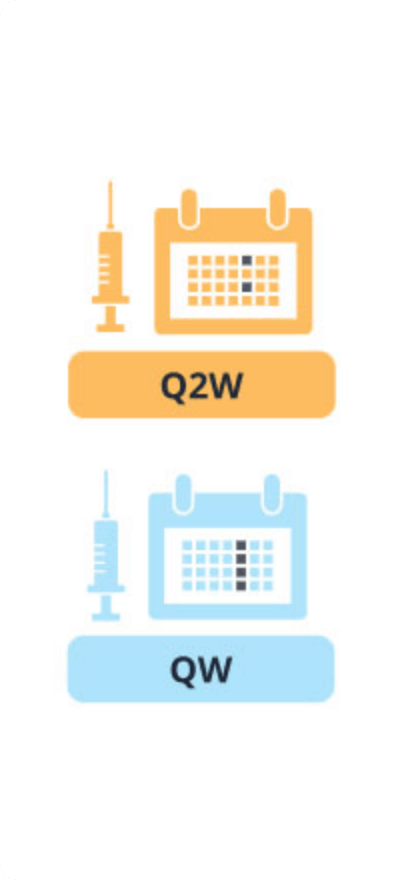
Patients naïve to T-cell redirection therapy were randomized to receive TALVEY® Q2W or QW:

Q2W icon QW icon

Patients exposed to T-cell redirection therapy received TALVEY® QW:

person icon

Key eligibility criteria1:

  • Received ≥3 prior systemic therapies, including a proteasome inhibitor, an immunomodulatory agent, and an anti-CD38 monoclonal antibody
  • ECOG PS of 0-2 included
  • No T-cell redirection therapy within 3 months
  • No prior Grade 3 or higher CRS related to any T-cell redirection therapy
  • No autologous stem cell transplant within the past 12 weeks
  • No stroke, seizure, or allogeneic stem cell transplant within the past 6 months
  • No CNS involvement or clinical signs of meningeal involvement of multiple myeloma, or plasma cell leukemia
  • No active or documented history of autoimmune disease, with the exception of vitiligo, resolved childhood atopic dermatitis, resolved Graves' Disease that is euthyroid based on clinical and laboratory testing

Primary endpoint: ORR3

Key secondary endpoints: DOR and TTR3

Clinical trial dosing1

Patients received TALVEY® Q2W (0.8 mg/kg) or QW (0.4 mg/kg) as a subcutaneous injection until disease progression or unacceptable toxicity, after the step-up dosing schedule.

Inclusion of patients who were naïve and exposed to T-cell redirection therapy demonstrated the versatile use of TALVEY®.1

Patients with a range of characteristics, including those with high-risk features, were studied in MonumenTAL-11

In patients naïve to T-cell redirection therapy, 22% had ISS stage III, 29% had high-risk cytogenetics, 22% had extramedullary disease, and 73% were triple-class refractory
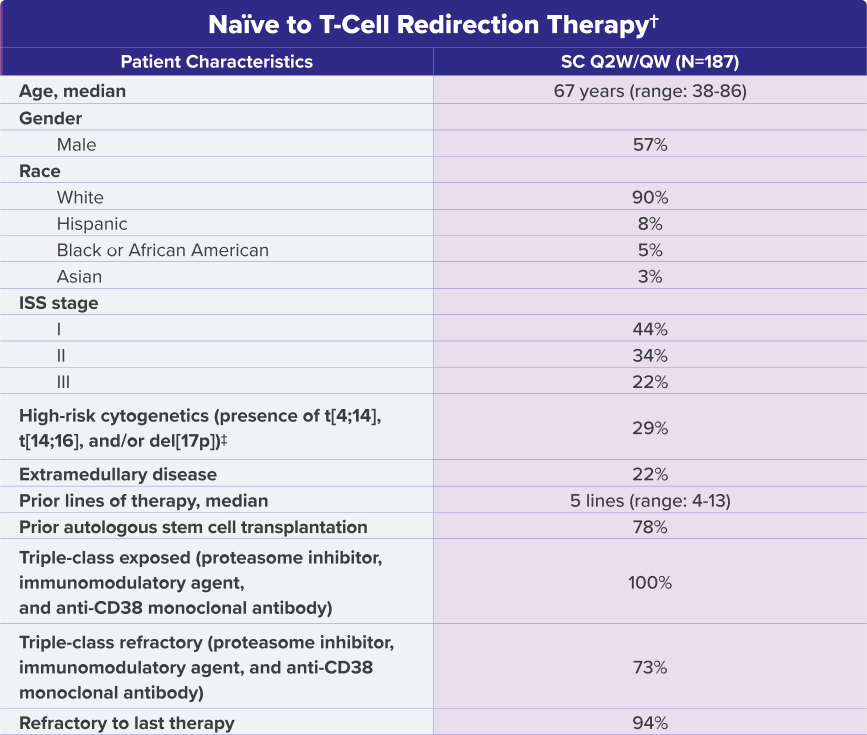
Naive to T-Cell Redirection Therapy table

In patients exposed to T-cell redirection therapy, 81% had prior CAR-T and 25% had prior bispecific antibody therapy
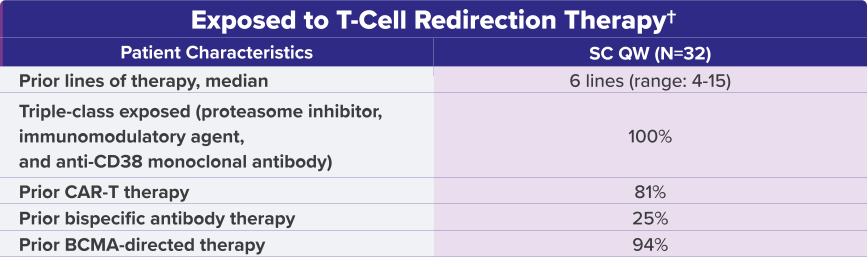
Exposed to T-Cell Redirection Therapy table

In patients who were triple-class exposed,

TALVEY® provided powerful efficacy1,2

Naïve to T-Cell Redirection Therapy

73.6% of patients responded to TALVEY®, with over 30% achieving ≥CR1,2
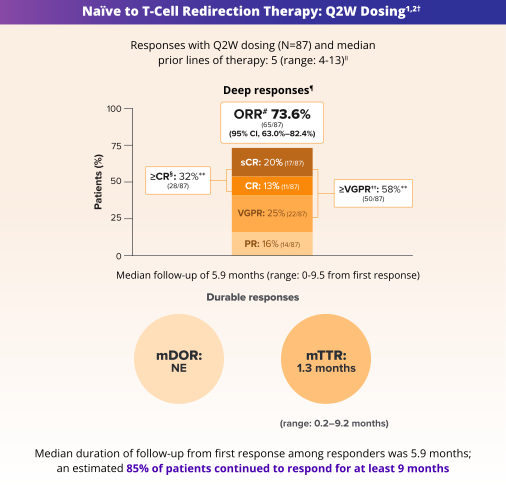
Naive to T-Cell Redirection Therapy: Q2W Dosing image

73% of patients responded to TALVEY® monotherapy, with 35% achieving ≥CR1,2
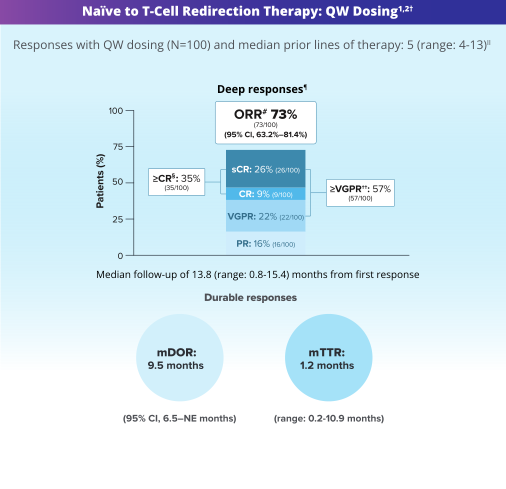
Naive to T-Cell Redirection Therapy: QW Dosing image

MonumenTAL-1 Longer-Term Follow-Up Analysis: Naïve to T-Cell Redirection Therapy

You are now viewing a subsequent follow-up analysis of the MonumenTAL-1 trial. This information is not included in the current full Prescribing Information. These long-term follow-up data reflect the patients naïve to T-cell redirection therapy receiving TALVEY® Q2W; any increase in n-value is due to this longer-term follow-up and additional patients.

Over 70% of patients responded to TALVEY® Q2W dosing, with over 40% achieving ≥CR at a median follow-up of >23 months2,4
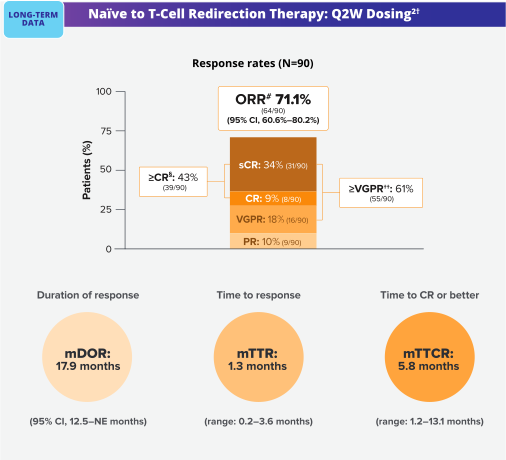
Long- Term Data: Naive to T-Cell Redirection Therapy: Q2W Dosing image

73% of patients responded to TALVEY® QW dosing, with 35% achieving ≥CR at a median follow-up of >29 months2,4
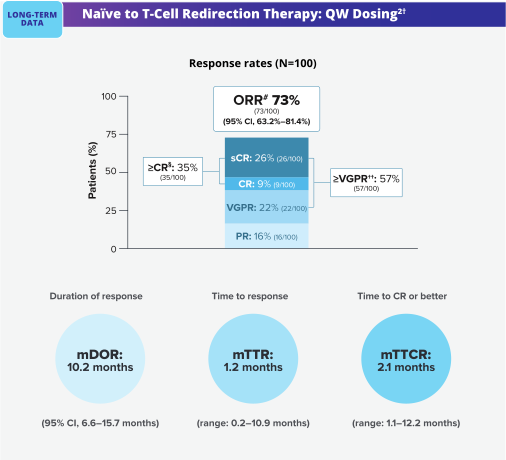
Long- Term Data: Naive to T-Cell Redirection Therapy: QW Dosing image

Exposed to T-Cell Redirection Therapy

In patients who were exposed to T-cell redirection therapy,

Durable responses were seen in patients exposed to T-cell redirection therapy1,2†
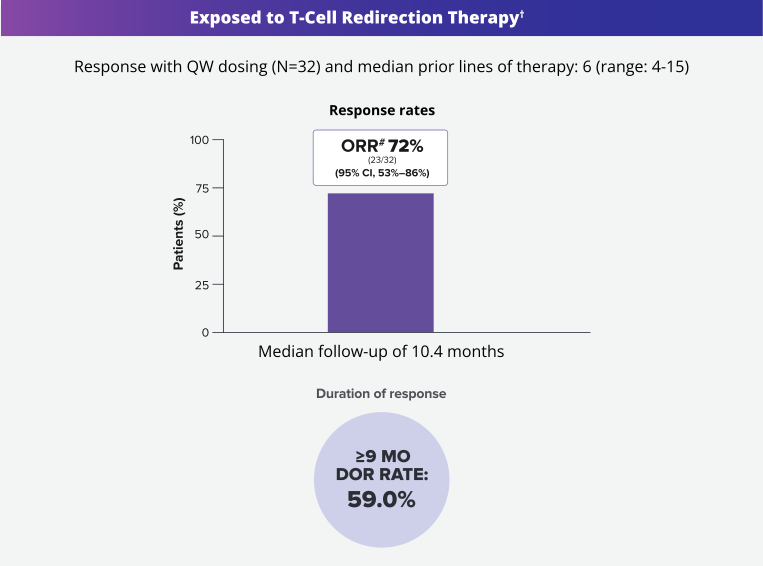
Exposed to T-Cell Redirection Therapy bar chart

MonumenTAL-1 Longer-Term Follow-Up Analysis: Exposed to T-Cell Redirection Therapy

You are now viewing a subsequent follow-up analysis of the MonumenTAL-1 trial. This information is not included in the current full Prescribing Information. These long-term follow-up data reflect the patients exposed to T-cell redirection therapy receiving TALVEY® QW; any increase in n-value is due to this longer-term follow-up and additional patients.

72% of patients responded to TALVEY®, with 50% achieving ≥CR§ at a median follow-up of >20 months2,4
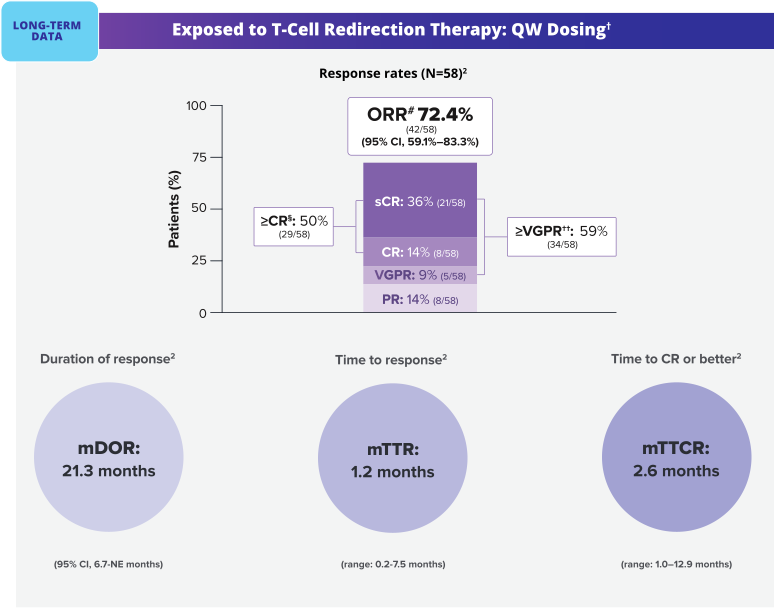
Long-term data: Exposed to T-Cell Redirection Therapy: QW Dosing image

Efficacy results reflect patients who received ≥4 prior lines of therapy.1

T-cell redirection therapy refers to both CAR-T and bispecific antibody therapy.1

Baseline cytogenetic data were not available in 11% of patients.

≥CR: sCR+CR.

Reflects the median prior lines of therapy for the entire naïve to T-cell redirection therapy population (Q2W and QW dosing).1

Deep responses: sCR+CR+VGPR.

ORR: sCR+CR+VGPR+PR.

Due to rounding, calculation may not be exact.

≥VGPR: sCR+CR+VGPR

See more clinical study data
KOL Headshot KOL Headshot

I prescribe TALVEY® for my adult patients with relapsed or refractory multiple myeloma. When exploring treatment options for appropriate patients, I consider the adverse reactions that are seen in clinical trials in adult patients with relapsed or refractory multiple myeloma.

Texas Oncology-Baylor Charles A. Sammons Cancer Center

Medical Oncologist/Hematologist

Dallas, TX

Dr M. Yair Levy is a paid consultant for Johnson & Johnson.

Safety From the MonumenTAL-1 Trial1

CRS, including life-threatening or fatal reactions, can occur in patients receiving TALVEY®1

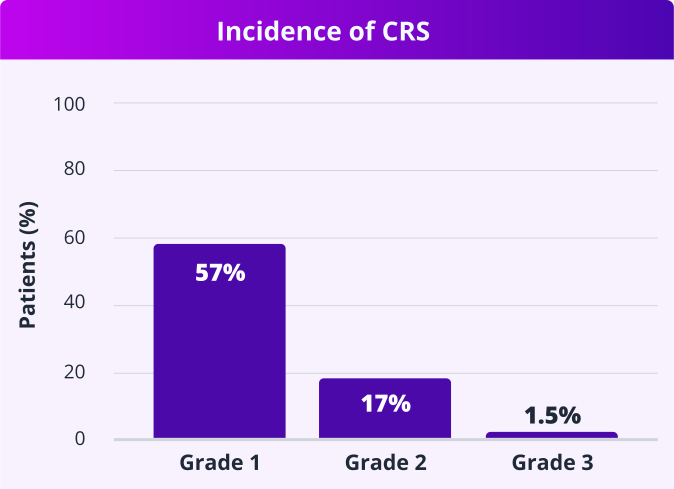
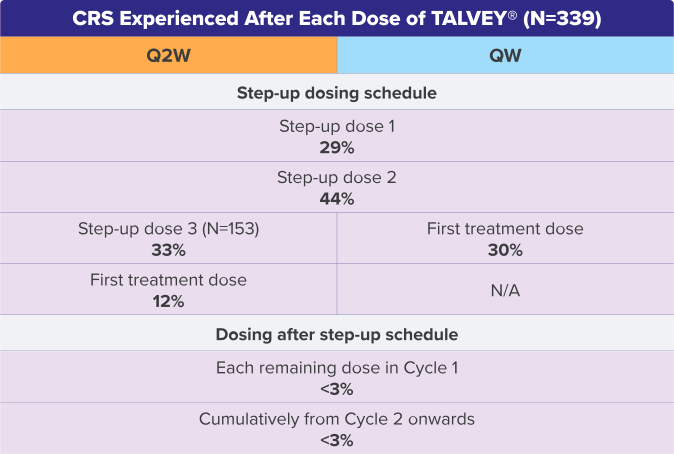
In the clinical trial, CRS occurred in 76% of patients (N=339) who received TALVEY® at the recommended dosages

  • CRS was primarily Grade 1 and 2, with Grade 3 events occurring in 1.5% of patients

  • Recurrent CRS occurred in 30% of patients

Median time to onset: 27 hours (range: 0.1-167) from the last dose

Median duration: 17 hours (range: 0-622)

Incidence of CRS bar chart CRS Experienced After Each Dose of TALVEY table

Neurologic toxicity, including ICANS, and serious and life-threatening or fatal reactions, can occur with TALVEY®1

Neurologic toxicity, including ICANS, occurred in 55% of patients at the recommended dosages

  • Grade 3 and 4 events occurred in 6% of patients

  • Most frequent neurologic toxicities were headache (20%), encephalopathy (15%), sensory neuropathy (14%), and motor dysfunction, including ataxia/cerebellar ataxia (10%)

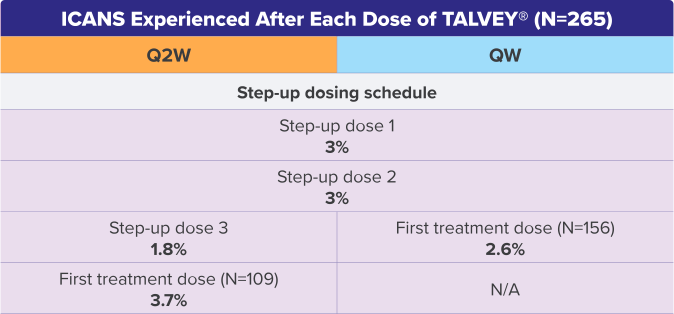
ICANS was reported in 9% of 265 patients where ICANS was collected and who received TALVEY® at the recommended dosages

  • Recurrent ICANS occurred in 3% of patients

  • ICANS can occur concurrently with CRS, following resolution of CRS, or in the absence of CRS

  • Clinical signs and symptoms of ICANS may include but are not limited to confusional state, depressed level of consciousness, disorientation, somnolence, lethargy, and bradyphrenia

  • Advise patients to refrain from driving or operating heavy or potentially dangerous machinery during the step-up dosing schedule and for 48 hours after completion of the step-up dosing schedule and in the event of new onset of any neurological symptoms, until symptoms resolve

Median time to onset: 2.5 days (range: 1-16) from the last dose

Median duration: 2 days (range: 1-22)

ICANS Experienced After Each Dose of TALVEY table
QR code links to tec-talrems.com

TALVEY® is available only through a restricted program called the TECVAYLI® and TALVEY® Risk Evaluation and Mitigation Strategy (REMS) Program. Visit TEC-TALREMS.com.

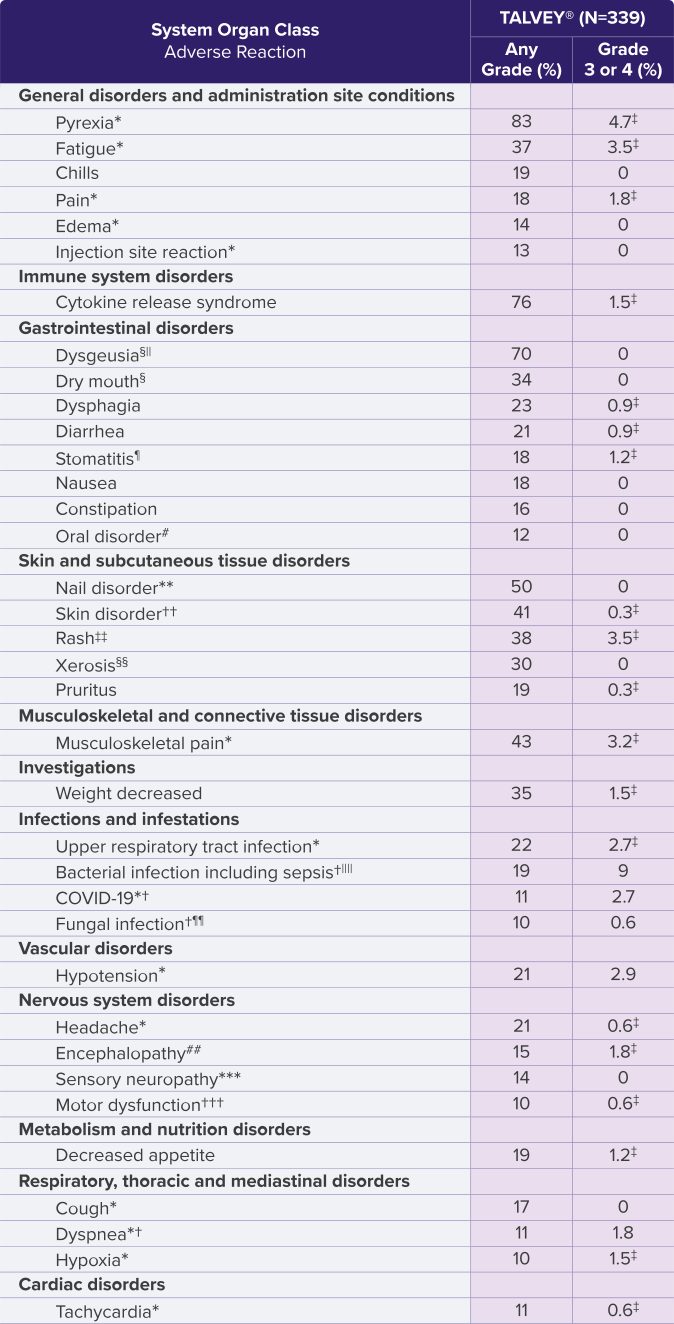
Adverse reactions (≥10%) in patients with relapsed or refractory multiple myeloma who received TALVEY® in MonumenTAL-11

Adverse Reactions table

Adverse reactions were graded based on CTCAE version 4.03, with the exception of CRS, which was graded per ASTCT 2019 criteria.

Includes other related terms.

Includes fatal outcome(s): COVID-19 (N=2), dyspnea (N=2), bacterial infection including sepsis (N=1), fungal infection (N=1).

Only Grade 3 adverse reactions occurred.

Per CTCAE v4.03, maximum toxicity grade for dysgeusia is 2 and maximum toxicity grade for dry mouth is 3.

Dysgeusia: ageusia, dysgeusia, hypogeusia and taste disorder.

Stomatitis: cheilitis, glossitis, glossodynia, mouth ulceration, oral discomfort, oral mucosal erythema, oral pain, stomatitis, swollen tongue, tongue discomfort, tongue erythema, tongue edema and tongue ulceration.

Oral disorder: oral disorder, oral dysesthesia, oral mucosal exfoliation, oral toxicity and oropharyngeal pain.

Nail disorder: koilonychia, nail bed disorder, nail cuticle fissure, nail discoloration, nail disorder, nail dystrophy, nail hypertrophy, nail pitting, nail ridging, nail toxicity, onychoclasis, onycholysis and onychomadesis.

Skin disorder: palmar-plantar erythrodysesthesia syndrome, palmoplantar keratoderma, skin discoloration, skin exfoliation and skin fissures.

Rash: dermatitis, dermatitis acneiform, dermatitis contact, dermatitis exfoliative, dermatitis exfoliative generalized, erythema, exfoliative rash, rash, rash erythematous, rash macular, rash maculo-papular, rash papular, rash pruritic, rash pustular, rash vesicular and stasis dermatitis.

Xerosis: dry eye, dry skin and xerosis.

Bacterial infection including sepsis: bacteremia, bacterial prostatitis, carbuncle, cellulitis, citrobacter infection, clostridium difficile colitis, clostridium difficile infection, cystitis escherichia, cystitis klebsiella, diverticulitis, enterobacter bacteremia, escherichia pyelonephritis, escherichia sepsis, folliculitis, gastroenteritis escherichia coli, helicobacter gastritis, human ehrlichiosis, klebsiella bacteremia, klebsiella sepsis, moraxella infection, otitis media acute, pitted keratolysis, pneumococcal sepsis, pneumonia, pneumonia streptococcal, pseudomonal bacteremia, pyuria, renal abscess, salmonella sepsis, sepsis, septic shock, skin infection, staphylococcal bacteremia, staphylococcal infection, staphylococcal sepsis, streptococcal bacteremia, tooth abscess, tooth infection, urinary tract infection enterococcal, and urinary tract infection pseudomonal.

Fungal infection: body tinea, candida infection, ear infection fungal, esophageal candidiasis, fungal infection, fungal sepsis, fungal skin infection, genital candidiasis, onychomycosis, oral candidiasis, oral fungal infection, oropharyngeal candidiasis, tinea pedis, vulvovaginal candidiasis, and vulvovaginal mycotic infection.

Encephalopathy: agitation, altered state of consciousness, amnesia, aphasia, bradyphrenia, confusional state, delirium, depressed level of consciousness, disorientation, encephalopathy, hallucination, lethargy, memory impairment, mood altered, restlessness, sleep disorder and somnolence.

Sensory neuropathy: dysesthesia, hyperesthesia, hypoesthesia, hypoesthesia oral, immune-mediated neuropathy, neuralgia, neuropathy peripheral, paresthesia, peripheral sensory neuropathy, polyneuropathy, sciatica and vestibular neuronitis.

Motor dysfunction: dysarthria, dysgraphia, dysmetria, dysphonia, gait disturbance, muscle atrophy, muscle spasms, muscular weakness and tremor.

Onset and management guidance for select adverse reactions1

ORAL TOXICITY

TALVEY® can cause oral toxicities6

80%

of patients experienced an oral toxicity

Grade 3 occurred in 2.1% of patients who received TALVEY® at the recommended dosages.

The most frequent oral toxicities were dysgeusia (49%), dry mouth (34%), dysphagia (23%), and ageusia (18%).

65% of patients had oral toxicity that did not resolve to baseline.

Median time to onset in the clinical trial: 15 days (range: 1-634 days)

Median time to resolution in the clinical trial: 43 days (range: 1-530 days)

Patient counseling tips

Coping tips are available to counsel patients on select adverse reactions. The recommendations below from The Leukemia & Lymphoma Society and the American Cancer Society may help patients better cope with select adverse reactions they may be experiencing. This information is not included in the current Prescribing Information and has not been evaluated by the FDA. For more tips, please see lls.org and cancer.org.

Tips for patients with oral side effects1,14

These oral side effects may include dysgeusia (change in sense of taste), dry mouth, dysphagia (difficulty swallowing), and sores in the mouth.

  • Practice good dental hygiene

  • Keep mouth moist with hard candy, drinking water, or other saliva substitutes

  • Avoid smoking

WEIGHT LOSS

TALVEY® can cause weight loss1

62%

of patients experienced weight loss*

29% of patients experienced Grade 2 (>10%) weight loss and 2.7% of patients experienced Grade 3 (>20%) weight loss.

57% of patients continued to experience weight loss.

Median time to onset of Grade 2 or higher in the clinical trial: 67 days (~2.2 months; range: 6-407 days)1,2

Median time to resolution in the clinical trial: 50 days (~1.6 months; range: 1-403 days)1,2

Patient counseling tips

Coping tips are available to counsel patients on select adverse reactions. The recommendations below from The Leukemia & Lymphoma Society and the American Cancer Society may help patients better cope with select adverse reactions they may be experiencing. This information is not included in the current Prescribing Information and has not been evaluated by the FDA. For more tips, please see lls.org and cancer.org.

Tips for patients with weight loss1,15,16

During treatment, monitor weight. A consultation with a nutritionist may be considered for supportive care.

  • Maintain a food journal

  • Maintain a nutritious diet

  • Engage in physical activity

SKIN TOXICITY

TALVEY® can cause serious skin reactions

62%

of patients experienced skin reactions

Skin reactions included rash, maculo-papular rash, erythema, and erythematous rash.

Grade 3 skin reactions occurred in 0.3% of patients.

Median time to onset in the clinical trial data: 25 days (range: 1-630 days)

Median time to improvement in the clinical trial: 33 days

Patient counseling tips

Coping tips are available to counsel patients on select adverse reactions. The recommendations below from The Leukemia & Lymphoma Society and the American Cancer Society may help patients better cope with select adverse reactions they may be experiencing. This information is not included in the current Prescribing Information and has not been evaluated by the FDA. For more tips, please see lls.org and cancer.org.

Tips for patients with skin changes1,14

Skin changes may include skin problems, itchy or red skin or raised rash, abnormally dry skin that may affect the mouth and eyes, thickening of the skin and/or redness, swelling, and blistering on the palms of hands and soles of feet, skin discoloration, peeling, dried and cracked skin, rash with acne-like bumps or blisters, or itchy skin.

  • Take warm (not hot) baths or showers

  • Pat skin dry

  • Use lotions or moisturizing creams with no fragrance

  • Wash skin with mild soap and cleansers

  • Avoid direct sunlight and apply sunscreen

Tips for patients with nail changes1,14

Nail changes may include a change in the appearance of the nail (including koilonychia, nail discoloration, and nail pitting or ridging), nail cuticle fissure, nail toxicity, or nail loss. These are not all the changes that may occur.

  • Wear gloves when cleaning or gardening

  • Avoid biting and picking on nails and cuticles

  • Wear comfortable shoes with extra room around the toes

  • Keep fingernails and toenails neatly trimmed

  • Counsel patients to consult with a healthcare provider before getting a manicure

*62% of patients experienced weight loss, regardless of having an oral toxicity.

The median time to improvement to Grade 1 or less was 33 days.

Explore additional safety data
Chess piece Chess piece

“I prescribe TALVEY® for my adult patients with relapsed or refractory multiple myeloma. When exploring treatment options for appropriate patients...”

“I prescribe TALVEY® for my adult patients with relapsed or refractory multiple myeloma. When exploring treatment options for...”

M. Yair Levy, MD

Medical Oncologist/Hematologist

M. Yair Levy, MD

Medical Oncologist/Hematologist

Texas Oncology-Baylor Charles A. Sammons Cancer Center

Dallas, TX

KOL Headshot KOL Headshot

Once I’ve made the decision to prescribe TALVEY®, I found that J&J withMe helps my office by providing access and affordability support to help patients throughout their treatment journey on TALVEY®. I like that my Field Reimbursement Manager from Johnson & Johnson provides dedicated in-office support. My patients get easily connected to TALVEY withMe for cost support and free, personalized 1-on-1 Care Navigator support.

Texas Oncology-Baylor Charles A. Sammons Cancer Center

Medical Oncologist/Hematologist

Dallas, TX

Dr M. Yair Levy is a paid consultant for Johnson & Johnson.

Access and Affordability Resources Plus Personalized Support for Your Patients

At Johnson & Johnson, we are committed to helping people in their fight against cancer. Our J&J withMe program is here at every step to provide personalized support to help patients start and stay on their J&J medicines.

J&J withMe is your single source for access, affordability, and treatment support programs from Johnson & Johnson. Your patients will be connected to TALVEY withMe.

person with headset icon

Access Support—to help navigate payer processes.

piggy bank icon

Affordability Resources—to help your patients discover ways to afford their TALVEY® medicine.

alt tag: heart person icon

Dedicated, free 1-on-1 Care Navigator Support for Your Patients—offered through TALVEY withMe to support the nonclinical needs that may arise while on TALVEY®.

Visit JnJwithME.com/hcp/ to learn more

Click here

The patient support and resources provided by J&J withMe are not intended to provide medical advice, replace a treatment plan from the patient’s doctor or nurse, provide case management services, or serve as a reason to prescribe a J&J medicine.

Access and support icons Access and support icons

“Once I’ve made the decision to prescribe TALVEY®, I found that J&J withMe helps...”

“Once I’ve made the decision to prescribe TALVEY®, I found that J&J withMe helps my office by providing access and affordability...”

M. Yair Levy, MD

Medical Oncologist/Hematologist

KOL Headshot KOL Headshot

I prefer TALVEY® for my adult patients with relapsed or refractory multiple myeloma because it offers flexibility from the start, with weekly or biweekly dosing available. TALVEY® is administered via subcutaneous injection following a step-up dosing schedule. I recommend you review the pre-treatment medication information as you consider TALVEY® for your adult patients.

Texas Oncology-Baylor Charles A. Sammons Cancer Center

Medical Oncologist/Hematologist

Dallas, TX

Dr M. Yair Levy is a paid consultant for Johnson & Johnson.

TALVEY®: Dosing and Administration Considerations

Flexibility from the start: Q2W and QW dosing available with personalized weight-based dosing.1 Please refer to Tables 9-12 in the full Prescribing Information to determine the total dose, injection volume, and number of vials required.

TALVEY® is administered via subcutaneous injection by a healthcare provider Q2W or QW following the step-up dosing schedule

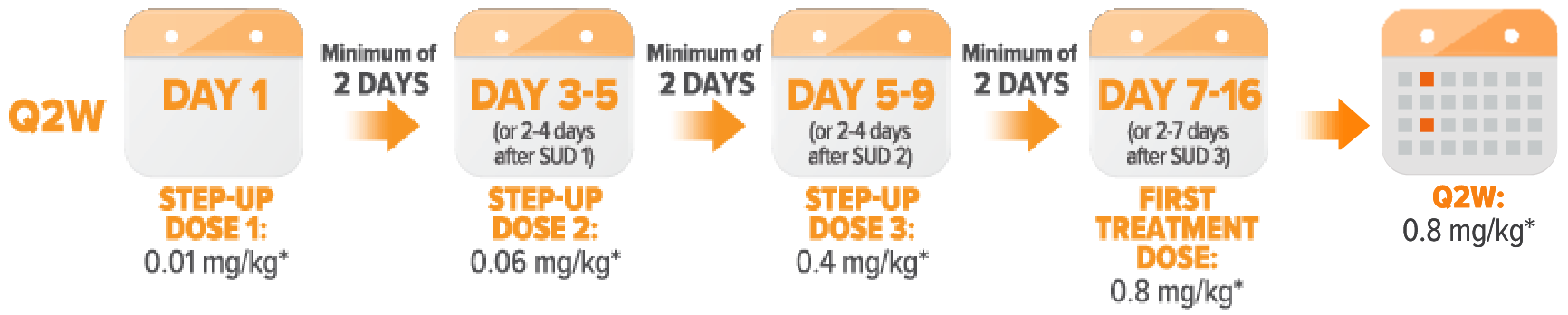
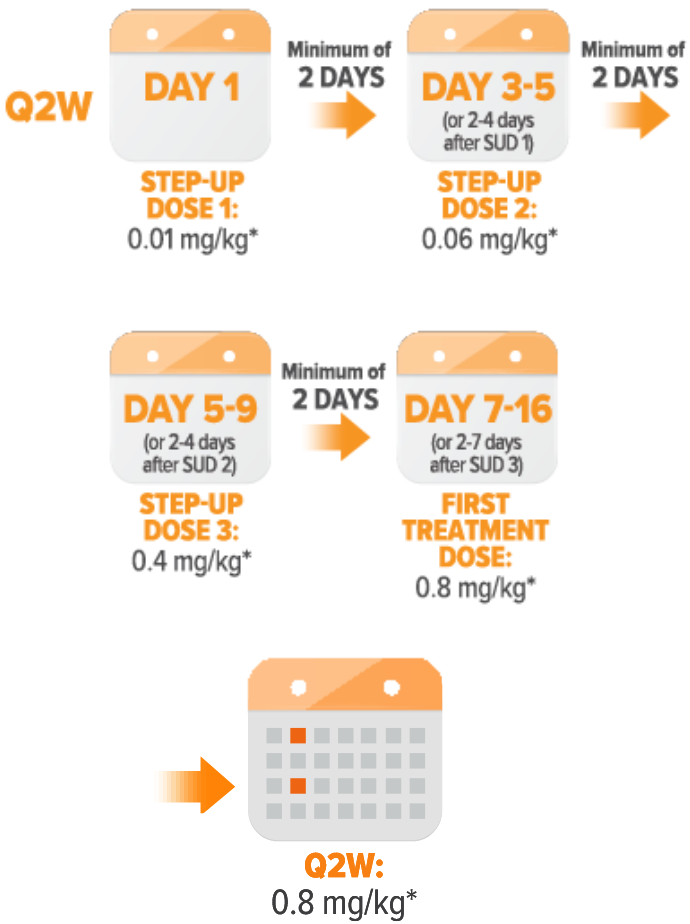
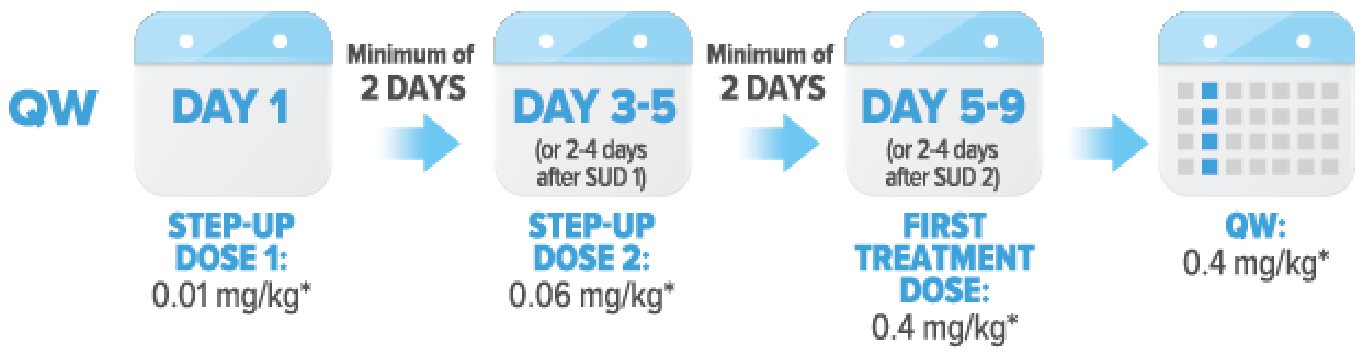
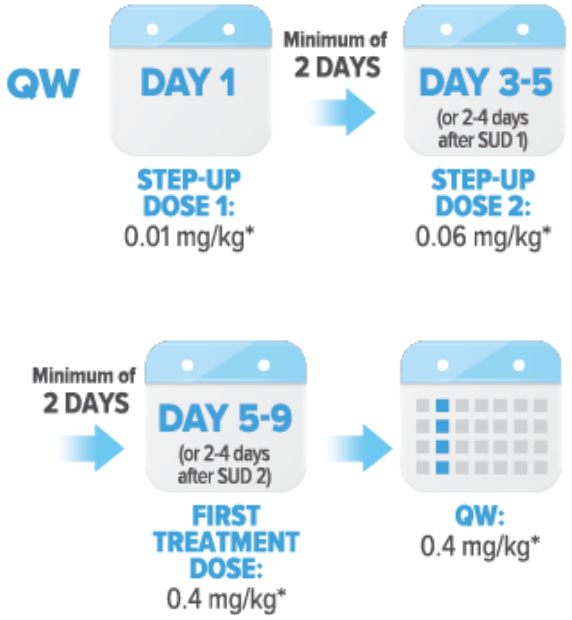
Step-up doses may be administered between 2 to 4 days after the previous dose and may be given up to 7 days after the previous dose to allow for resolution of adverse reactions. The full step-up dosing schedule can be completed in 7 days for Q2W and 5 days for QW.

Step-up dosing schedule:

Q2W step up dosing schedule Q2W step up dosing schedule

Following step-up dosing, ongoing biweekly dosing begins. Maintain a minimum of 12 days between Q2W doses

QW step up dosing schedule QW step up dosing schedule

Following step-up dosing, ongoing weekly dosing begins. Maintain a minimum of 6 days between QW doses

TALVEY® is given until disease progression or unacceptable toxicity.

Based on actual body weight.

1-3 hours icon

Administer pretreatment medications prior to each dose of TALVEY® in the step-up dosing schedule as recommended to reduce the risk of CRS [see Dosage and Administration (2.2, 2.3) in the full Prescribing Information].

dosing administration icon

Initiate TALVEY® treatment with step-up dosing to reduce the risk of CRS [see Dosage and Administration (2.2) in the full Prescribing Information].

doctor icon

TALVEY® should only be administered by a qualified healthcare professional with appropriate medical support to manage severe reactions such as CRS and neurologic toxicity including ICANS [see Warnings and Precautions (5.1, 5.2) in the full Prescribing Information].

plus sign icon

Due to the risk of CRS and neurologic toxicity, including ICANS, patients should be hospitalized for 48 hours after administration of all doses within the TALVEY® step-up dosing schedule [see Dosage and Administration (2.5) and Warnings and Precautions (5.1, 5.2) in the full Prescribing Information].

Learn more about flexible dosing
Q2W and QW dosing icons Q2W and QW dosing icons

“I prefer TALVEY® for my adult patients with relapsed or refractory multiple...”

“I prefer TALVEY® for my adult patients with relapsed or refractory multiple myeloma because it offers flexibility from the start...”

M. Yair Levy, MD

Medical Oncologist/Hematologist

KOL Headshot KOL Headshot

I consider clinical efficacy and safety as well as the mechanism of action to be an important factor when evaluating treatment options for my adult patients with relapsed or refractory multiple myeloma. I choose to prescribe TALVEY® because of its clinical profile and because it uses a different antigen as a bispecific antibody.

Texas Oncology-Baylor Charles A. Sammons Cancer Center

Medical Oncologist/Hematologist

Dallas, TX

Dr M. Yair Levy is a paid consultant for Johnson & Johnson.

TALVEY®: Mechanism of Action

TALVEY® is the first FDA-approved bispecific antibody developed to target GPRC5D1,5

TALVEY® induces the lysis of multiple myeloma cells by activating the immune system via GPRC5D x CD31

  • In research that examined GPRC5D mRNA expression in malignant cells, GPRC5D mRNA was found to be substantially expressed in multiple myeloma cell lines6

  • This finding led to the commitment of Janssen Biotech, Inc., to pursue the development of a GPRC5D-targeting therapy for multiple myeloma7

Different targets may help address treatment resistance and avoid re-exposure to previous targets6,8,9

What is currently known about GPRC5D expression?

  • GPRC5D is expressed on the surface of multiple myeloma cells and non-malignant plasma cells1,9-13

    • Also expressed on healthy tissues such as epithelial cells in keratinized tissues of the skin and tongue

  • Expressed in a broad range of patients with multiple myeloma9

    • For example, GPRC5D expression has been detected in patients that varied according to disease staging, cytogenetic abnormalities, gender, and age

  • Expression is independent of other targets, including BCMA6

TALVEY MOA Image
Discover how TALVEY® works
MOA image MOA image

“I consider clinical efficacy and safety as well as the mechanism of action to be an important factor when evaluating treatment options for my adult patients...”

“I consider clinical efficacy and safety as well as the mechanism of action to be an important factor when...”

M. Yair Levy, MD

Medical Oncologist/Hematologist

INDICATION AND USAGE

TALVEY® (talquetamab-tgvs) is indicated for the treatment of adult patients with relapsed or refractory multiple myeloma who have received at least four prior lines of therapy, including a proteasome inhibitor, an immunomodulatory agent, and an anti-CD38 monoclonal antibody.

This indication is approved under accelerated approval based on response rate and durability of response. Continued approval for this indication may be contingent upon verification and description of clinical benefit in a confirmatory trial(s).

IMPORTANT SAFETY INFORMATION

WARNING: CYTOKINE RELEASE SYNDROME and NEUROLOGIC TOXICITY, including IMMUNE EFFECTOR CELL-ASSOCIATED NEUROTOXICITY SYNDROME

Cytokine release syndrome (CRS), including life-threatening or fatal reactions, can occur in patients receiving TALVEY®. Initiate TALVEY® treatment with step-up dosing to reduce the risk of CRS. Withhold TALVEY® until CRS resolves or permanently discontinue based on severity.

Neurologic toxicity, including immune effector cell-associated neurotoxicity syndrome (ICANS), and serious and life-threatening or fatal reactions, can occur with TALVEY®. Monitor patients for signs and symptoms of neurologic toxicity including ICANS during treatment and treat promptly. Withhold or permanently discontinue TALVEY® based on severity.

Because of the risk of CRS and neurologic toxicity, including ICANS, TALVEY® is available only through a restricted program called the TECVAYLI® and TALVEY® Risk Evaluation and Mitigation Strategy (REMS).

CONTRAINDICATIONS: None.

WARNINGS AND PRECAUTIONS

Cytokine Release Syndrome (CRS): TALVEY® can cause cytokine release syndrome, including life-threatening or fatal reactions. In the clinical trial, CRS occurred in 76% of patients who received TALVEY® at the recommended dosages, with Grade 1 CRS occurring in 57% of patients, Grade 2 in 17%, and Grade 3 in 1.5%. Recurrent CRS occurred in 30% of patients. Most events occurred following step-up dose 1 (29%) or step-up dose 2 (44%) at the recommended dosages. CRS occurred in 33% of patients with step-up dose 3 in the biweekly dosing schedule (N=153). CRS occurred in 30% of patients with the first 0.4 mg/kg treatment dose and in 12% of patients treated with the first 0.8 mg/kg treatment dose. The CRS rate for both dosing schedules combined was less than 3% for each of the remaining doses in Cycle 1 and less than 3% cumulatively from Cycle 2 onward. The median time to onset of CRS was 27 (range: 0.1 to 167) hours from the last dose, and the median duration was 17 (range: 0 to 622) hours. Clinical signs and symptoms of CRS include but are not limited to pyrexia, hypotension, chills, hypoxia, headache, and tachycardia. Potentially life-threatening complications of CRS may include cardiac dysfunction, acute respiratory distress syndrome, neurologic toxicity, renal and/or hepatic failure, and disseminated intravascular coagulation (DIC).

Initiate therapy with step-up dosing and administer pre-treatment medications (corticosteroids, antihistamine, and antipyretics) prior to each dose of TALVEY® in the step-up dosing schedule to reduce the risk of CRS. Monitor patients following administration accordingly. In patients who experience CRS, pre-treatment medications should be administered prior to the next TALVEY® dose.

Counsel patients to seek medical attention should signs or symptoms of CRS occur. At the first sign of CRS, immediately evaluate patient for hospitalization and institute treatment with supportive care based on severity, and consider further management per current practice guidelines. Withhold TALVEY® until CRS resolves or permanently discontinue based on severity.

Neurologic Toxicity including ICANS: TALVEY® can cause serious, life-threatening neurologic toxicity or fatal neurologic toxicity, including ICANS.

In the clinical trial, neurologic toxicity, including ICANS, occurred in 55% of patients who received the recommended dosages, with Grade 3 or 4 neurologic toxicity occurring in 6% of patients. The most frequent neurologic toxicities were headache (20%), encephalopathy (15%), sensory neuropathy (14%), and motor dysfunction, including ataxia/cerebellar ataxia (10%). ICANS was reported in 9% of 265 patients where ICANS was collected and who received the recommended dosages. Recurrent ICANS occurred in 3% of patients. Most patients experienced ICANS following step-up dose 1 (3%), step-up dose 2 (3%), step-up dose 3 of the biweekly dosing schedule (1.8%), or the initial treatment dose of the weekly dosing schedule (2.6%) (N=156) or the biweekly dosing schedule (3.7%) (N=109). The median time to onset of ICANS was 2.5 (range: 1 to 16) days after the most recent dose with a median duration of 2 (range: 1 to 22) days. The onset of ICANS can be concurrent with CRS, following resolution of CRS, or in the absence of CRS. Clinical signs and symptoms of ICANS may include but are not limited to confusional state, depressed level of consciousness, disorientation, somnolence, lethargy, and bradyphrenia.

Monitor patients for signs and symptoms of neurologic toxicity during treatment and treat promptly. At the first sign of neurologic toxicity, including ICANS, immediately evaluate the patient and provide supportive care based on severity. Withhold or permanently discontinue TALVEY® based on severity and consider further management per current practice guidelines [see Dosage and Administration (2.5)].

Due to the potential for neurologic toxicity, patients receiving TALVEY® are at risk of depressed level of consciousness. Advise patients to refrain from driving or operating heavy or potentially dangerous machinery during the step-up dosing schedule and for 48 hours after completion of the step-up dosing schedule, and in the event of new onset of any neurological symptoms, until symptoms resolve.

TECVAYLI® and TALVEY® REMS: TALVEY® is available only through a restricted program under a REMS, called the TECVAYLI® and TALVEY® REMS because of the risks of CRS and neurologic toxicity, including ICANS.

Further information about the TECVAYLI® and TALVEY® REMS program is available at www.TEC-TALREMS.com or by telephone at 1-855-810-8064.

Oral Toxicity and Weight Loss: TALVEY® can cause oral toxicities, including dysgeusia, dry mouth, dysphagia, and stomatitis.

In the clinical trial, 80% of patients had oral toxicity, with Grade 3 occurring in 2.1% of patients who received the recommended dosages. The most frequent oral toxicities were dysgeusia (49%), dry mouth (34%), dysphagia (23%), and ageusia (18%). The median time to onset of oral toxicity was 15 (range: 1 to 634) days, and the median time to resolution to baseline was 43 (1 to 530) days. Oral toxicity did not resolve to baseline in 65% of patients.

TALVEY® can cause weight loss. In the clinical trial, 62% of patients experienced weight loss, regardless of having an oral toxicity, including 29% of patients with Grade 2 (10% or greater) weight loss and 2.7% of patients with Grade 3 (20% or greater) weight loss. The median time to onset of Grade 2 or higher weight loss was 67 (range: 6 to 407) days, and the median time to resolution was 50 (range: 1 to 403) days. Weight loss did not resolve in 57% of patients who reported weight loss.

Monitor patients for signs and symptoms of oral toxicity. Counsel patients to seek medical attention should signs or symptoms of oral toxicity occur and provide supportive care as per current clinical practice, including consultation with a nutritionist. Monitor weight regularly during therapy. Evaluate clinically significant weight loss further. Withhold TALVEY® or permanently discontinue based on severity.

Infections: TALVEY® can cause infections, including life-threatening or fatal infections.

In the clinical trial, serious infections occurred in 16% of patients, with fatal infections in 1.5% of patients. Grade 3 or 4 infections occurred in 17% of patients. The most common serious infections reported were bacterial infection (8%), which included sepsis, and COVID-19 (2.7%).

Monitor patients for signs and symptoms of infection prior to and during treatment with TALVEY® and treat appropriately. Administer prophylactic antimicrobials according to local guidelines. Withhold or consider permanent discontinuation of TALVEY® as recommended based on severity.

Cytopenias: TALVEY® can cause cytopenias, including neutropenia and thrombocytopenia.

In the clinical trial, Grade 3 or 4 decreased neutrophils occurred in 35% of patients, and Grade 3 or 4 decreased platelets occurred in 22% of patients who received TALVEY®. The median time to onset for Grade 3 or 4 neutropenia was 22 (range: 1 to 312) days, and the median time to resolution to Grade 2 or lower was 8 (range: 1 to 79) days. The median time to onset for Grade 3 or 4 thrombocytopenia was 12 (range: 2 to 183) days, and the median time to resolution to Grade 2 or lower was 10 (range: 1 to 64) days. Monitor complete blood counts during treatment and withhold TALVEY® as recommended based on severity.

Skin Toxicity: TALVEY® can cause serious skin reactions, including rash, maculo-papular rash, erythema, and erythematous rash.

In the clinical trial, skin reactions occurred in 62% of patients, with Grade 3 skin reactions in 0.3%. The median time to onset was 25 (range: 1 to 630) days. The median time to improvement to Grade 1 or less was 33 days.

Monitor for skin toxicity, including rash progression. Consider early intervention and treatment to manage skin toxicity. Withhold TALVEY® as recommended based on severity.

Hepatotoxicity: TALVEY® can cause hepatotoxicity. Elevated ALT occurred in 33% of patients, with Grade 3 or 4 ALT elevation occurring in 2.7%; elevated AST occurred in 31% of patients, with Grade 3 or 4 AST elevation occurring in 3.3%. Grade 3 or 4 elevations of total bilirubin occurred in 0.3% of patients. Liver enzyme elevation can occur with or without concurrent CRS.

Monitor liver enzymes and bilirubin at baseline and during treatment as clinically indicated. Withhold TALVEY® or consider permanent discontinuation of TALVEY® based on severity [see Dosage and Administration (2.5)].

Embryo-Fetal Toxicity: Based on its mechanism of action, TALVEY® may cause fetal harm when administered to a pregnant woman. Advise pregnant women of the potential risk to the fetus. Advise females of reproductive potential to use effective contraception during treatment with TALVEY® and for 3 months after the last dose.

Adverse Reactions: The most common adverse reactions (≥20%) are pyrexia, CRS, dysgeusia, nail disorder, musculoskeletal pain, skin disorder, rash, fatigue, weight decreased, dry mouth, xerosis, dysphagia, upper respiratory tract infection, diarrhea, hypotension, and headache.

The most common Grade 3 or 4 laboratory abnormalities (≥30%) are lymphocyte count decreased, neutrophil count decreased, white blood cell decreased, and hemoglobin decreased.

Please read full Prescribing Information, including Boxed WARNING, for TALVEY®.

cp-394174v6

Definition Key:

ASTCT, American Society for Transplantation and Cellular Therapy; BCMA, B-cell maturation antigen; CAR-T, chimeric antigen receptor-T cell; CD, cluster of differentiation; CI, confidence interval; COVID, coronavirus disease; CR, complete response; CRS, cytokine release syndrome; CTCAE, Common Terminology Criteria for Adverse Events; del(17p), deletion 17p; DOR, duration of response; FDA, Food and Drug Administration; GPRC5D, G protein-coupled receptor class C group 5 member D; ICANS, immune effector cell-associated neurotoxicity syndrome; IMWG, International Myeloma Working Group; IRC, Independent Review Committee; ISS, International Staging System; mDOR, median duration of response; mo, months; mRNA, messenger ribonucleic acid; mTTCR, median time to complete response or better; mTTR, median time to response; NE, not estimable; ORR, overall response rate; PR, partial response; Q2W, every 2 weeks; QW, once weekly; SC, subcutaneous; sCR, stringent complete response; SUD, step-up dose; t, translocation; VGPR, very good partial response.

References

1. TALVEY® [Prescribing Information]. Horsham, PA: Janssen Biotech, Inc. 2. Data on file. Janssen Biotech, Inc. 3. A study of talquetamab in participants with relapsed or refractory multiple myeloma. ClinicalTrials.gov identifier: NCT04634552. Updated April 24, 2024. Accessed March 20, 2025. https://clinicaltrials.gov/study/NCT04634552 4. Rasche L, Schicke C, Touzeau C, et al. Long-term efficacy and safety results from the phase 1/2 MonumenTAL-1 Study of talquetamab, a GPRC5D×CD3 bispecific antibody, in patients with relapsed/refractory multiple myeloma. Poster. Presented at the European Hematology Association (EHA) 2024 Hybrid Congress; June 13-16, 2024; Madrid, Spain. 5. U.S. FDA approves TALVEY® (talquetamab-tgvs), a first-in-class bispecific therapy for the treatment of patients with heavily pretreated multiple myeloma. News release. Janssen Biotech, Inc.; August 10, 2023. Accessed March 20, 2025. https://innovativemedicine.jnj.com/fda-approves-talveytm-talquetamab-tgvs-first-class-bispecific-therapy-treatment-patients-heavily 6. Smith EL, Harrington K, Staehr M, et al. GPRC5D is a target for the immunotherapy of multiple myeloma with rationally designed CART cells. Sci Transl Med. 2019;11(485):eaau7746. 7. Pillarisetti K, Edavettal S, Mendonça M, et al. A T-cell-redirecting bispecific G-protein-coupled receptor class 5 member D x CD3 antibody to treat multiple myeloma. Blood. 2020;135(15):1232-1243. 8. Mateos MV, Weisel K, De Stefano V, et al. LocoMMotion: a prospective, non-interventional, multinational study of real-life current standards of care in patients with relapsed and/or refractory multiple myeloma. Leukemia. 2022;36:1371-1376. 9. Atamaniuk J, Gleiss A, Porpaczy E, et al. Overexpression of G protein-coupled receptor SD in the bone marrow is associated with poor prognosis in patients with multiple myeloma. Eur J Clin Invest. 2012;42(9):953-960. 10. Inoue S, Nambu T, Shimomura T. The RAIG family member, GPRC5D, is associated with hard-keratinized structures. J Invest Dermatol. 2004;122:565-573. 11. Lancman G, Sastow DL, Cho HJ, et al. Bispecific antibodies in multiple myeloma: present and future. Blood Cancer Discov. 2021;2(5):423-433. 12. Kodama T, Kochi Y, Nakai W, et al. Anti-GPRC5D/CD3 bispecific T-cell-redirecting antibody for the treatment of multiple myeloma. Mol Cancer Ther. 2019;18(9):1555-1564. 13. Verkeij CPM, Broekmans MEC, van Duin M, et al. Preclinical activity and determinants of response of the GPRC5DxCD3 bispecific antibody talquetamab in multiple myeloma. Blood Adv. 2021;5(8):2196-2215. 14. Side-effect management: caring for skin, nails, hair, and mouth. Leukemia & Lymphoma Society. Accessed March 20, 2025. https://www.lls.org/sites/default/files/National/USA/Pdf/Publications/FF11_SideEffects_Skin_Hair_Nails_Mouth_FINAL.pdf 15. Side-effect management: managing low appetite and weight loss. Leukemia & Lymphoma Society. Accessed March 20, 2025. https://www.lls.org/sites/default/files/2021-05/FF15_Side_Effect_Mgt_Loss_of_Apetite_Weight_Loss_2020.pdf 16. Weight changes. American Cancer Society. Accessed March 20, 2025. https://www.cancer.org/cancer/managing-cancer/side-effects/eating-problems/weight-changes.html